
Establishing a functional regional system will provide a lasting solution to the waste problem
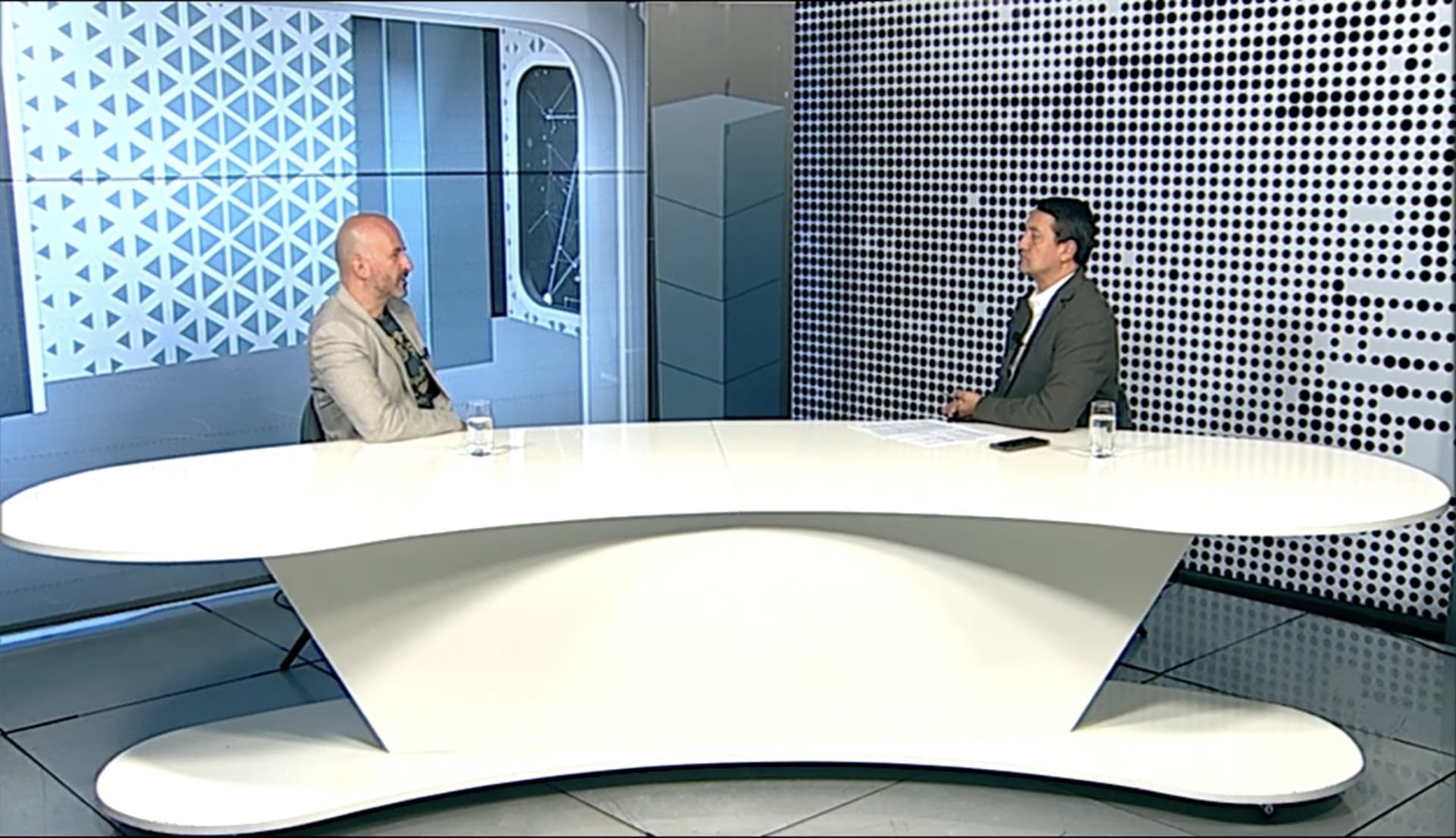
Cleaning up dumpsites and non-compliant landfills does not solve the waste problem in the country. Therefore, closing and remediating these sites is part of a broader, coordinated approach that relies on establishing a functional regional waste management system (RWMS), explained Emil Angelov, an expert in institutional development and waste management from SALAR International, in an interview on TV 24.
The RWMS is a system that includes modern infrastructure, collection and transport services, proper waste sorting, the closure and remediation of dumpsites and landfills, and the safe disposal of the waste remaining after proper sorting. Without such organized waste management and measures to prevent recurring improper disposal, cleaned-up locations can easily turn back into dumpsites.
Additionally, as Angelov pointed out, sorting is a vital component of the regional waste management system and a prerequisite for reducing the amount of waste ending up in landfills. Proper sorting creates conditions for landfilling only a minimal fraction of the generated waste - such as in Sweden, where less than 1% of waste ends up on a landfill. The situation here is quite different, with 99% of collected waste being deposited in existing non-compliant landfills.
For sorting to work, close cooperation is required between municipalities, their public utility companies, and citizens. Alongside education, municipalities must first and foremost provide services that support sorting - such as supplying appropriate trucks, bins, and containers, as well as establishing regular collection routes for sorted waste. Citizens, in turn, are expected to use these services correctly and contribute to reducing the waste that ends up on landfills. However, lasting behavioural change cannot be expected unless the system provides the necessary conditions, Angelov emphasized.
In this context, Angelov noted that sorting, along with the closure and remediation of dumpsites and non-compliant landfills, has been recognized as one of the priorities for establishing a sustainable regional system in the new regional waste management plan 2027-2032 (RWMP) for the Pelagonija and South-waste regions. The regional plan will set the framework for establishing the regional system, aiming to replace current fragmented and inadequate solutions with a coordinated system that ensures better municipal services, less waste sent to landfills, and better care for the environmental.
Beyond sorting and dumpsite remediation, the key areas that will ensure a functional waste management system include the construction of regional infrastructure, such as the regional waste management centre in Novaci, improved institutional capacities at the local and regional levels for service delivery, financial sustainability, and greater citizen participation and responsible waste handling.
The region faces challenges that require coordination among municipalities, public utility companies, and other institutions, as well as the active participation of citizens, businesses, and civil society organizations.
You can watch the full interview here.
Support for establishing the regional waste management system in the Pelagonija and South-west regions is provided under the Sustainable municipal waste management services project, funded by Sweden and implemented by SALAR International.