
Strong institutions and active citizen engagement - prerequisites for a sustainable waste management system
The operational functioning of the system, the preparedness of public utility companies, and citizen involvement were the focus of the second panel of the Regional Waste Management Forum.
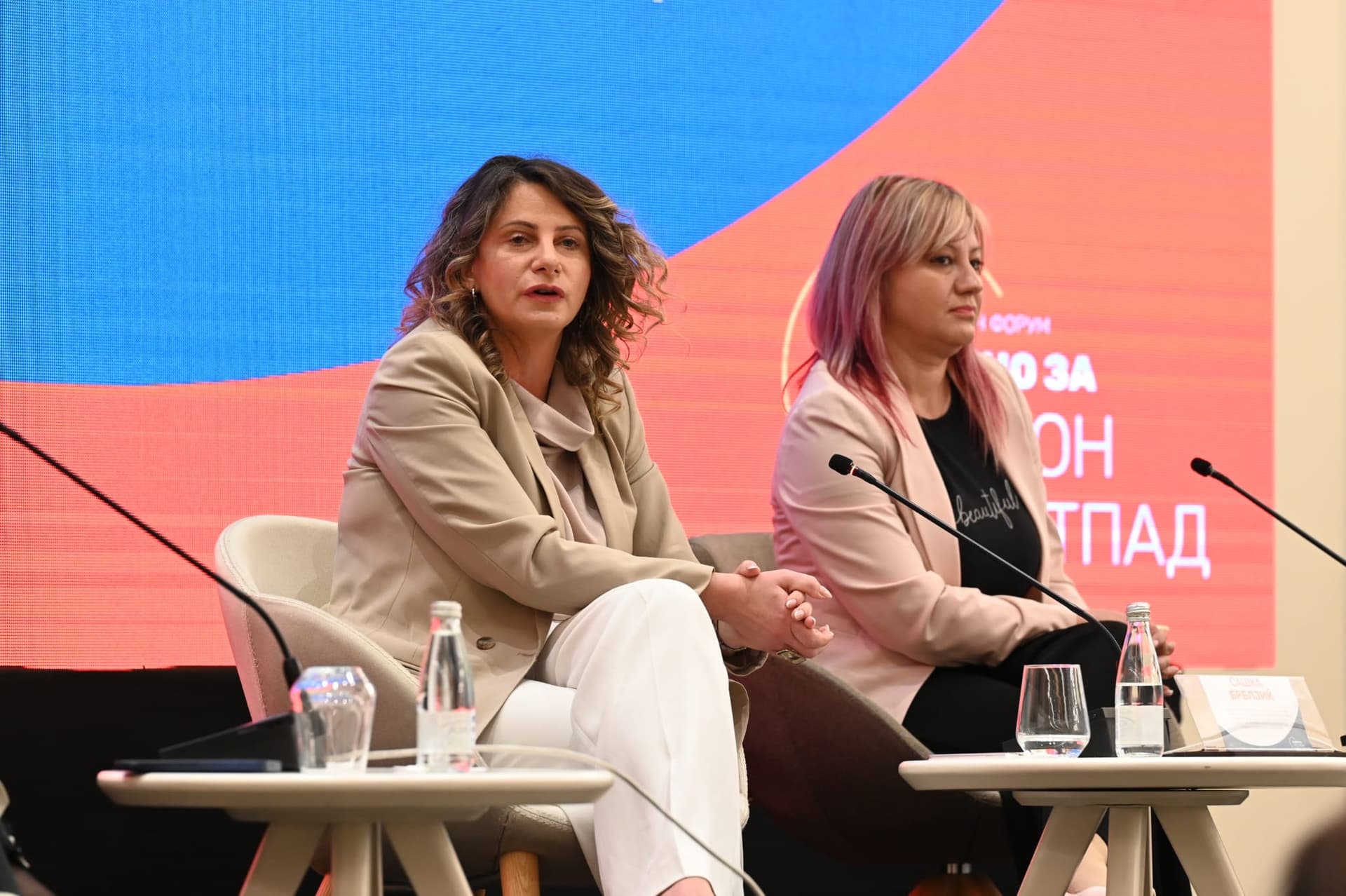
The operational functioning of the system, the preparedness of public utility companies, and citizen involvement were the focus of the second panel of the Regional Waste Management Forum. Dedicated to operations, risks, and public engagement, the panel featured speakers Sashka Brbljikj, Assistant Head of the Department for Sustainable Development and Investments and financial expert in the project unit of the regional solid waste project at the MoEPP; Vera Blagojevikj, Head of the Utility Services Department at PUC "Zlatibor", Municipality of Chajetina; Liljana Jonoski, Executive Director of "Rural Coalition"; and Martin Nikolikj, Project Coordinator at SALAR International.
The discussion opened up important questions regarding the situation on the ground. An analysis of the capacities of public utility companies in the Pelagonia and South-west regions showed that the system still faces serious challenges, ranging from ad-hoc operational approaches to a lack of standardized operating procedures, clear organizational structures, and financial stability. It was highlighted that although significant steps forward have been taken, additional efforts are needed to ensure the full readiness of these companies to operate within the regional system.
ВIn this context, practical experiences from the region were shared, demonstrating that transformation is indeed possible. With a clear vision, continuous investments, and improved management, utility companies can gradually transition toward more efficient and sustainable operational models.
Beyond the technical and organizational aspects, special emphasis was placed on building trust. It was stressed that transparency, accountability, and the active involvement of citizens are key prerequisites for the long-term sustainability of the system. Without trust in institutions and an understanding of the processes, no reform can deliver full results.
The discussion also featured concrete tools and methodologies developed within the framework of the project "Sustainable Waste Management at the Local Level," implemented by SALAR International. These tools aim to improve the operational activities of municipalities and public utility companies, providing vital support during the transition to a functional system.
In the second part of the panel, the focus shifted to upcoming activities. It was emphasized that municipalities require continuous operational support, capacity building, and access to knowledge and resources to effectively meet the requirements of the regional system.
Additionally, the importance of the active participation of the civil sector was highlighted, particularly in the preparation process of the new Regional Waste Management Plan. Inclusivity and the establishment of accountability mechanisms are crucial to ensuring greater transparency and public support.
The collection and analysis of data were also pointed out as key elements for a sustainable system. The new web platform "Waste-Free Region" will enable centralized collection, monitoring, and sharing of information, contributing to better planning, informed decision-making, and greater transparency.
The conclusion of the panel was clear: establishing a functional waste management system depends not only on infrastructure, but also on strong institutions, well-prepared utility companies, and active citizens. Only by simultaneously strengthening all of these elements can the reform deliver long-term and sustainable results.